Ceramic vs. carbon window tint is a common question for drivers who want less heat, reduced glare, better privacy, UV protection, and a clean vehicle look. Both film types can be a strong choice, but they are not the same. The right one depends on your car, your driving habits, your comfort goals, and how much heat rejection you want.
At Z Tech Window Tinting, our family-owned team has served Chicago’s west suburbs since 1975. We are 3M certified, a 3M vendor, and we carry warranties on our products and services. Drivers from Naperville, IL, Countryside, IL, Aurora, IL, Downers Grove, IL, Bolingbrook, IL, Lisle, IL, and nearby areas visit us for professional window tint, paint protection film, ceramic coating, vinyl wrap, detailing, paint correction, rustproofing, undercoating, remote starters, security systems, radar detectors, and car and truck accessories.
If you are comparing ceramic vs. carbon window tint, this guide will help you understand the difference in plain language.
Table of Contents
What Is Ceramic Window Tint?
Ceramic vs. carbon window tint starts with how each film is made. Ceramic window tint uses ceramic particles instead of metal. The goal is to reduce heat, block UV rays, cut glare, and keep a clean appearance without interfering with modern vehicle electronics.
3M Ceramic IR Series is a true ceramic, non-metallized film. 3M states that this film is made for infrared heat rejection and comfort. It is also designed to avoid signal interference with electronics, radio, GPS, mobile devices, and 5G.
Here is why this matters. Infrared heat is a major part of why sunlight feels hot through vehicle glass. A ceramic film can help reduce that hot feeling on your skin while still allowing you to choose from lighter or darker shade options.
Ceramic tint is often a good fit for drivers who:
- Park outside often
- Drive long distances
- Want better heat control
- Want UV protection
- Prefer a clean, modern look
- Use GPS, phone, Bluetooth, satellite radio, or connected vehicle systems
- Own a newer car, SUV, truck, or Tesla
For many drivers, ceramic film is the better choice when comfort is the main goal.
What Is Carbon Window Tint?
Carbon window tint uses carbon-based technology to give the film a darker, factory-style appearance. It is often chosen by drivers who want privacy, glare reduction, a clean black look, and signal-friendly performance.
3M Color Stable Series uses patented nano-carbon polyester technology. It is non-metallized, so it is designed to avoid interference with electronics, radio, GPS, mobile devices, and 5G. 3M also states that Color Stable Series rejects up to 64% of total solar energy through vehicle windows.
Carbon tint is popular because it gives many vehicles a rich, finished appearance. It can be a good fit for drivers who want a darker look without using metal-based film.
Carbon tint is often a good fit for drivers who:
- Want a factory-style tinted look
- Care about privacy
- Want glare reduction
- Want UV protection
- Want signal-friendly film
- Want a film that does not turn purple
- Prefer a clean dark appearance
Bottom line, carbon window tint is a strong choice for style, privacy, and everyday comfort. Ceramic window tint usually gives stronger heat rejection.
Ceramic vs. Carbon Window Tint: Heat Rejection
Ceramic vs. carbon window tint often comes down to heat rejection. If your vehicle gets hot in the sun, this section matters.
Ceramic tint is usually the stronger choice for heat rejection. 3M Ceramic IR Series is made with nano-ceramic technology and is designed for infrared heat rejection. This helps reduce the hot feeling from sunlight through vehicle glass.
Carbon tint can also help with heat. 3M Color Stable Series rejects solar energy and helps reduce heat coming through vehicle windows. It is a good daily option for many drivers, but ceramic film is usually chosen when heat control is the top concern.
The real question is not, “Which tint is darkest?” It is, “Which film rejects heat better?”
A dark film can still have weak heat rejection if the film technology is low grade. A lighter ceramic film can sometimes feel better than a darker carbon or dyed film because it targets infrared heat.
If you drive around Naperville, IL, Countryside, IL, or nearby suburbs during hot summer months, ceramic tint may be worth considering. It can help reduce cabin heat while keeping your vehicle looking clean.
Ceramic vs. Carbon Window Tint: UV Protection
Ceramic vs. carbon window tint can also help with UV protection. UV rays can affect drivers, passengers, and vehicle interiors. Over time, sun exposure can fade seats, dry trim, and age dashboards.
Both ceramic and carbon films can block UV rays when made by a trusted brand. 3M automotive window films are designed to help block UV exposure and reduce interior fading.
The Skin Cancer Foundation also notes that UV window film can help block UV rays that pass through vehicle glass. This makes window tint a smart choice for drivers who spend a lot of time on the road.
Here’s what matters. UV protection does not always require the darkest shade. Many lighter films can still block UV rays. That is helpful if you want protection while keeping a lighter look.
For drivers with leather seats, dark interiors, touchscreens, or a newer vehicle, window tint can be part of a smart interior care plan.
Ceramic vs. Carbon Window Tint: Glare and Visibility
Ceramic vs. carbon window tint can both help reduce glare. Glare can come from direct sun, wet roads, snow, headlights, and reflective buildings. Around Illinois, winter glare can be just as annoying as summer sun.
Carbon tint is often chosen for glare reduction because it gives a darker, clean look. Ceramic tint can also reduce glare, and it may give better heat control at the same time.
The right choice depends on how much light you want inside the cabin.
Choose ceramic tint if:
You want glare reduction, heat rejection, and strong comfort without relying only on a dark shade.
Choose carbon tint if:
You want a darker look, privacy, and glare reduction with a clean factory-style appearance.
What this means is simple. If glare is the only concern, either film can help. If glare and heat are both concerns, ceramic may be the better fit.
Ceramic vs. Carbon Window Tint: Appearance
Ceramic vs. carbon window tint can look different depending on film shade, vehicle glass, and interior color.
Carbon tint often gives a rich black or charcoal look. Many drivers like it because it resembles factory privacy glass. It can make a vehicle look sharp without a shiny or mirrored finish.
Ceramic tint can also look clean and neutral. It is often chosen by drivers who want a premium finish with better heat rejection. Ceramic tint comes in different shades, so it does not have to look too dark.
Now here’s the thing. Appearance is personal. Some drivers want a bold dark look. Others want a lighter film that still improves comfort. The best choice is the one that fits your vehicle and driving habits.
For trucks and SUVs, carbon tint may be appealing when matching factory rear privacy glass. For daily commuters, luxury vehicles, and Teslas, ceramic tint may be appealing because it can reduce heat while keeping a clean look.
Ceramic vs. Carbon Window Tint: Signal Interference
Ceramic vs. carbon window tint is also worth comparing if your vehicle relies on modern electronics.
Some older metal-based films may interfere with signals. That can affect GPS, phones, satellite radio, keyless systems, and other connected features.
Ceramic film is usually non-metallized, which helps avoid signal issues. 3M Ceramic IR Series is non-metallized and designed for wireless connectivity.
Carbon film can also be signal-friendly when it is non-metallized. 3M Color Stable Series is non-metallized and is designed not to interfere with electronics, radio, GPS, mobile devices, or 5G.
This matters for newer vehicles, EVs, luxury cars, rideshare vehicles, and anyone who uses navigation often.
Bottom line, both ceramic and carbon tint can be signal-friendly if you choose the right film. Ask the shop what film series they install before booking.
Which Tint Is Better for Illinois Weather?
Ceramic vs. carbon window tint for Illinois weather depends on how you use your vehicle.
Illinois drivers deal with hot summers, bright winter glare, low-angle sunlight, wet roads, snow glare, and cold mornings. A good window tint should help with comfort across the seasons.
Ceramic tint for summer heat
Ceramic tint is often the better choice for summer heat. It targets infrared heat and helps reduce the hot feeling inside the cabin. If you park outside, sit in traffic, or drive long distances, ceramic film may be worth it.
Carbon tint for privacy and style
Carbon tint is a strong choice if you want a dark, clean look with glare reduction and privacy. It can still help with heat, but ceramic is usually chosen for stronger heat control.
Lighter premium tint for visibility
Some Illinois drivers want heat rejection but do not want a dark vehicle. Ceramic tint can be a good option because it can offer comfort without needing the darkest shade.
Medium tint for daily use
A medium shade can work well for many daily drivers, as long as it fits Illinois tint rules. It can reduce glare, improve appearance, and add privacy without feeling too dark.
Let’s break it down. For heat, choose ceramic. For a darker factory-style look, choose carbon. For the best fit, compare both films in person.
3M Window Tint Options at Z Tech Window Tinting
Z Tech Window Tinting installs trusted 3M Automotive Window Film options. We are 3M certified and a 3M vendor, giving local drivers access to proven films installed by trained professionals.
3M Ceramic IR Series
3M Ceramic IR Series is the ceramic option many drivers ask about when comparing ceramic vs. carbon window tint. It is a true ceramic, non-metallized film made for infrared heat rejection, UV protection, glare reduction, and signal-friendly use.
This film is a strong fit for drivers who want comfort, heat control, and a clean appearance.
3M Color Stable Series
3M Color Stable Series is the carbon-style option many drivers compare against ceramic film. It uses nano-carbon polyester technology and is non-metallized. It gives many vehicles a dark, factory-style look while helping reduce heat, glare, and UV exposure.
This film is a strong fit for drivers who want privacy, style, and everyday comfort.
3M Crystalline Series
3M Crystalline Series is another premium option. It uses multilayer optical film technology and is designed for strong heat rejection without needing a very dark appearance.
This can be a good choice if you want comfort and a lighter look.
3M FX-HP Series
3M FX-HP Series uses a hybrid metal and dyed film design. It offers a classic tint appearance with heat rejection, glare reduction, and UV protection.
3M Scotchshield Security Series
3M Scotchshield Automotive Window Films Security Series is made for privacy and added glass support. It helps hold glass fragments together when glass breaks, which may slow break-in attempts and reduce loose glass.
For more service details, visit our window tint service page or our main tinting page.
Illinois Tint Laws to Keep in Mind
Ceramic vs. carbon window tint should also be chosen with Illinois tint laws in mind. Illinois law is listed under 625 ILCS 5/12-503.
Illinois does not allow tinted film on the full front windshield. A nonreflective tinted strip may be used along the top portion of the windshield, but it cannot extend more than 6 inches down from the top.
Rules for side and rear windows depend on window location, vehicle type, rear window treatment, and factory glass. This is why it helps to work with a professional shop before choosing a shade.
The catch is that the final light level depends on the film and the factory glass together. A film shade may read differently after it is installed on your vehicle.
At Z Tech Window Tinting, our team can help you compare legal-friendly options before the work starts.
Which Window Tint Is Right for Your Car?
Ceramic vs. carbon window tint comes down to your goals.
Choose ceramic window tint if you want:
- Stronger heat rejection
- Better comfort in hot weather
- A premium film feel
- UV protection
- Glare reduction
- Signal-friendly performance
- A clean look without needing the darkest shade
Ceramic tint is often the better choice for commuters, families, Tesla owners, drivers with dark interiors, and anyone who parks outside often.
Choose carbon window tint if you want:
- A darker factory-style appearance
- Privacy
- Glare reduction
- UV protection
- Signal-friendly performance
- A clean black finish
- Good daily comfort
Carbon tint is often the better choice for drivers who care most about style and privacy while still wanting comfort benefits.
Choose another film if you want added security
If glass security matters, ask about 3M Scotchshield Security Series. This film is made to help hold glass fragments together if glass breaks.
Choose a lighter premium film if you want comfort without dark tint
If you want heat rejection but prefer a lighter appearance, ask about 3M Crystalline Series.
The real question is, what do you want your tint to do every day? Once you answer that, the film choice becomes easier.
Why Professional Installation Matters
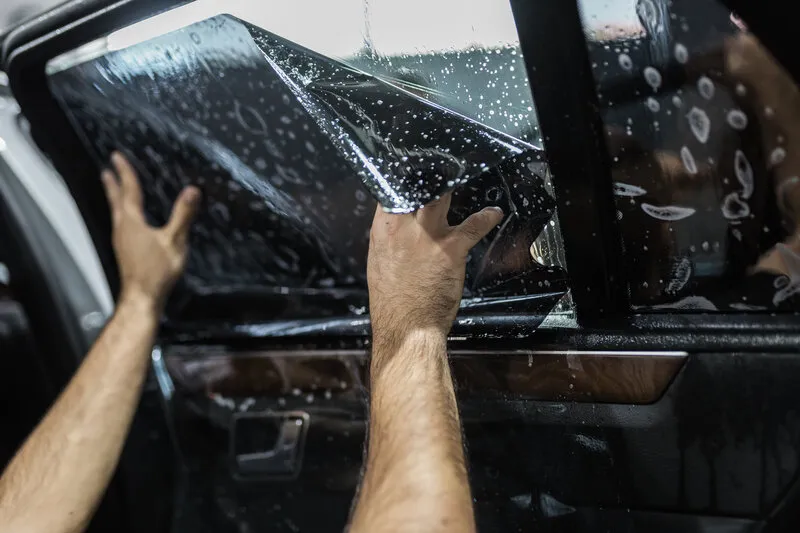
Ceramic vs. carbon window tint only performs well when it is installed correctly. Even a high-grade film can look poor if the glass is not cleaned, the film is mishandled, or the edges are cut poorly.
Professional installation helps prevent:
- Bubbles
- Dust under the film
- Peeling edges
- Uneven cuts
- Light gaps
- Creases
- Rear glass shaping problems
- Adhesive marks
- Early film failure
- Poor visibility
A trained installer can also explain curing time. After tint is installed, the film needs time to dry. During that time, small moisture pockets or haze can appear. A good shop will explain what is normal and when to call with questions.
At Z Tech Window Tinting, our installers use quality products and proven methods. We also carry warranties on our products and services, so drivers know the work is backed by our shop.
Why Local Drivers Choose Z Tech Window Tinting
Drivers comparing ceramic vs. carbon window tint choose Z Tech Window Tinting because we offer trusted 3M films, trained installation, warranty support, and decades of local experience.
Our Naperville location is at 1572 W Ogden Ave, Naperville, IL 60540. Our Countryside location is at 9825 W 55th St #D, Countryside, IL 60525.
We serve drivers from Naperville, IL, Countryside, IL, Aurora, IL, Downers Grove, IL, Bolingbrook, IL, Lisle, IL, Warrenville, IL, Plainfield, IL, Woodridge, IL, Westmont, IL, and nearby west suburb communities.
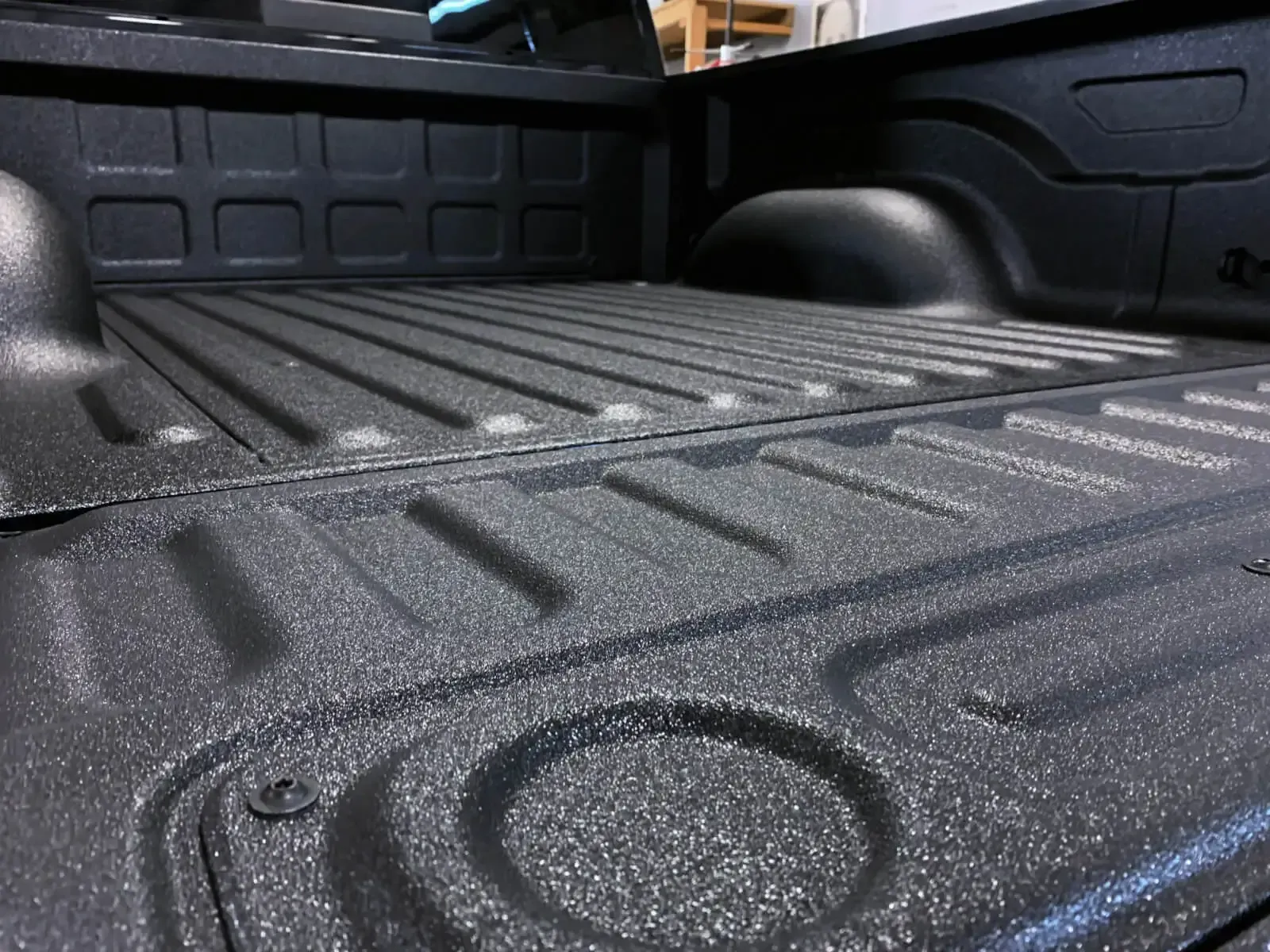
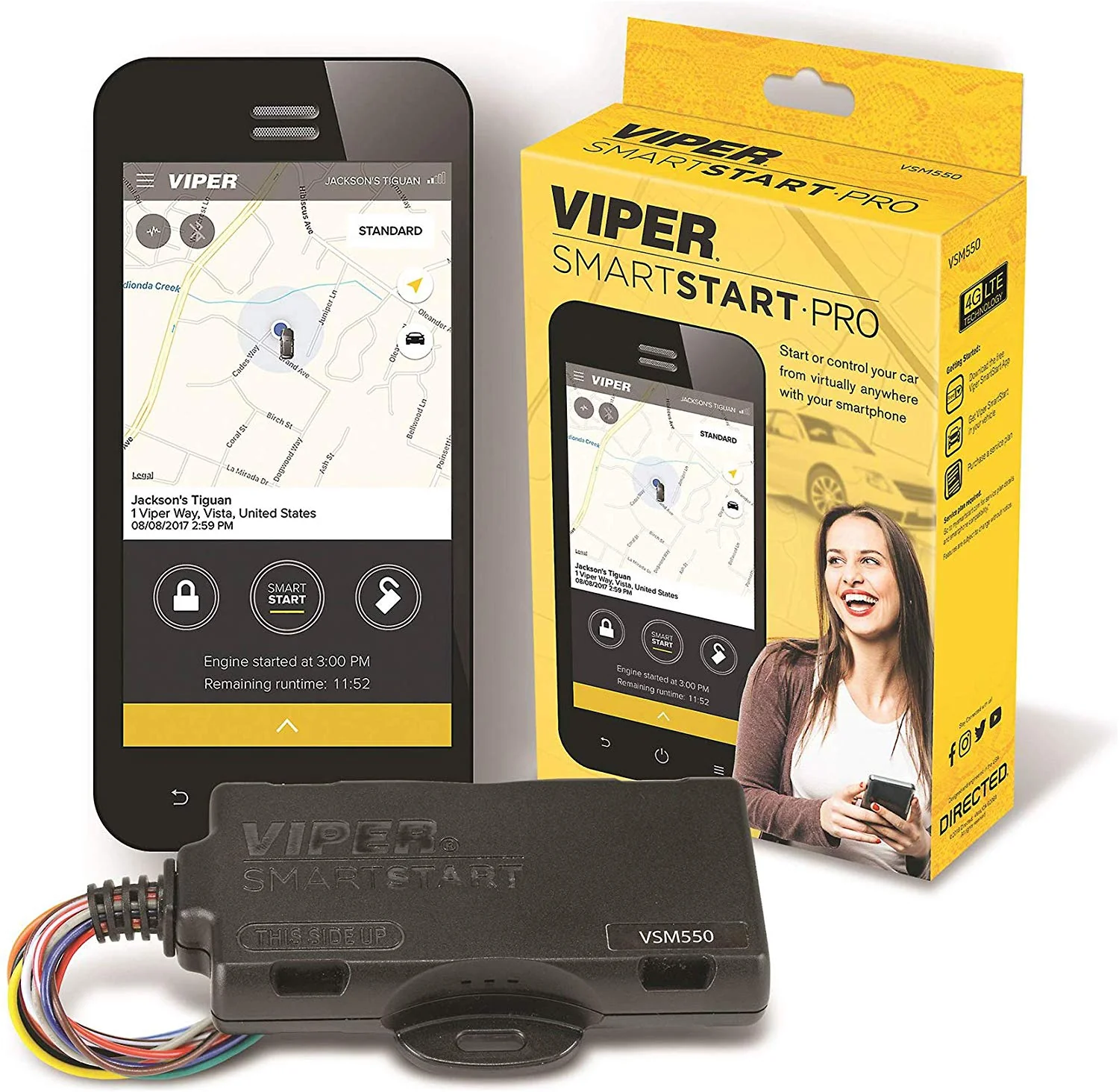
Our Naperville location has 375+ 5 star reviews, and our Countryside location has 365+ 5 star reviews. Local drivers trust our family-owned shop for window tint, paint protection film, Ceramic Pro ceramic coating, vinyl wrap, auto detailing, paint correction, undercoating, rustproofing, spray-on bed liner, Viper remote starters, security systems, and car and truck accessories.
Schedule Window Tint in Naperville, IL or Countryside, IL
If you are comparing ceramic vs. carbon window tint, contact Z Tech Window Tinting today.
Call our Naperville location at (630) 355-9555 or our Countryside location at (708) 354-9555. We are open Monday through Saturday from 8:30 AM to 5 PM.
You can also visit https://www.ztechnaperville.com/contact-us to request an appointment.
Tell us what you drive, what look you want, and whether heat rejection, UV protection, privacy, glare reduction, or security matters most to you. Our team will help you compare 3M film choices and legal-friendly shade options.
FAQs About Ceramic vs. Carbon Window Tint
1. Is ceramic window tint better than carbon window tint?
Ceramic window tint is usually better for heat rejection, while carbon window tint is a strong choice for privacy, style, glare reduction, and everyday comfort. The right choice depends on what you want from your vehicle.
2. Does ceramic tint keep a car cooler?
Yes. Ceramic tint is designed to reduce infrared heat, which helps reduce the hot feeling from sunlight through vehicle glass. 3M Ceramic IR Series is made for infrared heat rejection and driving comfort.
3. Does carbon tint block UV rays?
Yes, trusted carbon-style films can help block UV rays. 3M Color Stable Series is made to help protect against heat and UV rays while giving the vehicle a clean tinted look.
4. Will ceramic or carbon tint interfere with my phone or GPS?
Non-metallized ceramic and carbon films are designed to avoid signal interference. 3M Ceramic IR and 3M Color Stable Series are both non-metallized options made for signal-friendly use.
5. Which tint looks darker, ceramic or carbon?
Both ceramic and carbon tint come in different shades. Carbon tint is often chosen for a darker factory-style look, while ceramic tint is often chosen for heat rejection. The final appearance depends on the shade and vehicle glass.
6. Is ceramic tint worth it for Illinois drivers?
Yes, ceramic tint can be worth it for Illinois drivers who want better comfort during hot summers, glare reduction in winter, UV protection, and signal-friendly performance.
7. How do I schedule ceramic or carbon window tint near Naperville, IL?
Call Z Tech Window Tinting in Naperville at (630) 355-9555, call Countryside at (708) 354-9555, or visit https://www.ztechnaperville.com/contact-us to request an appointment.
Sources
- 3M Automotive Window Film Ceramic IR Series, 3M, Publication Date: n.d., Accessed June 17, 2026.
- 3M Automotive Window Film Color Stable Series, 3M, Publication Date: n.d., Accessed June 17, 2026.
- 625 ILCS 5/12-503, Illinois General Assembly, Publication Date: n.d., Accessed June 17, 2026.
- UV Window Film & Tint, The Skin Cancer Foundation, Last Updated December 2025.