Radar Detector Installation in Naperville: Hardwired vs Plug-In Setups
Google Reviews
What our Customers say
Heading 1
Heading 2
Heading 3
Heading 4
Heading 5
Heading 6
Lorem ipsum dolor sit amet, consectetur adipiscing elit, sed do eiusmod tempor incididunt ut labore et dolore magna aliqua. Ut enim ad minim veniam, quis nostrud exercitation ullamco laboris nisi ut aliquip ex ea commodo consequat. Duis aute irure dolor in reprehenderit in voluptate velit esse cillum dolore eu fugiat nulla pariatur.
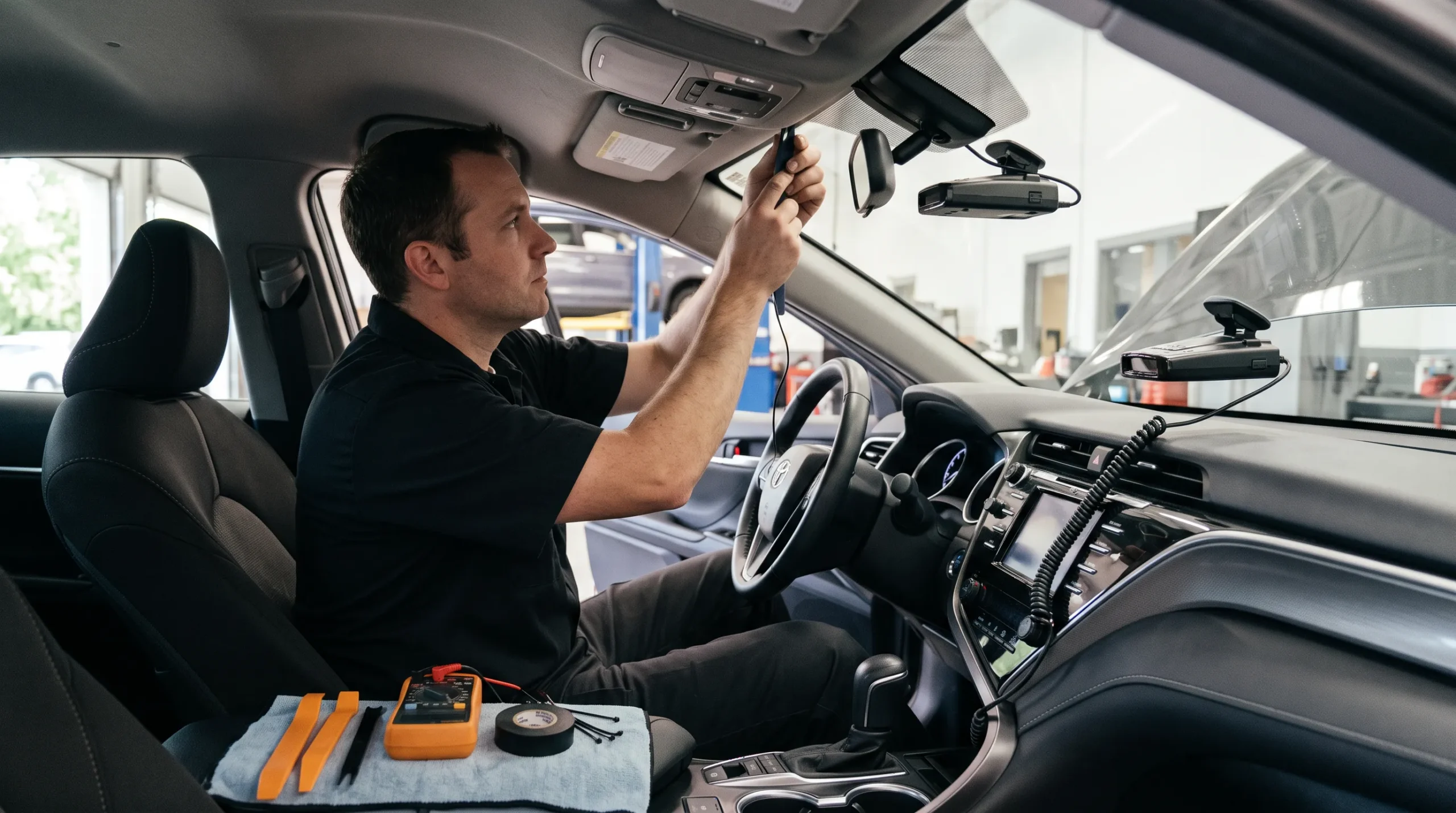
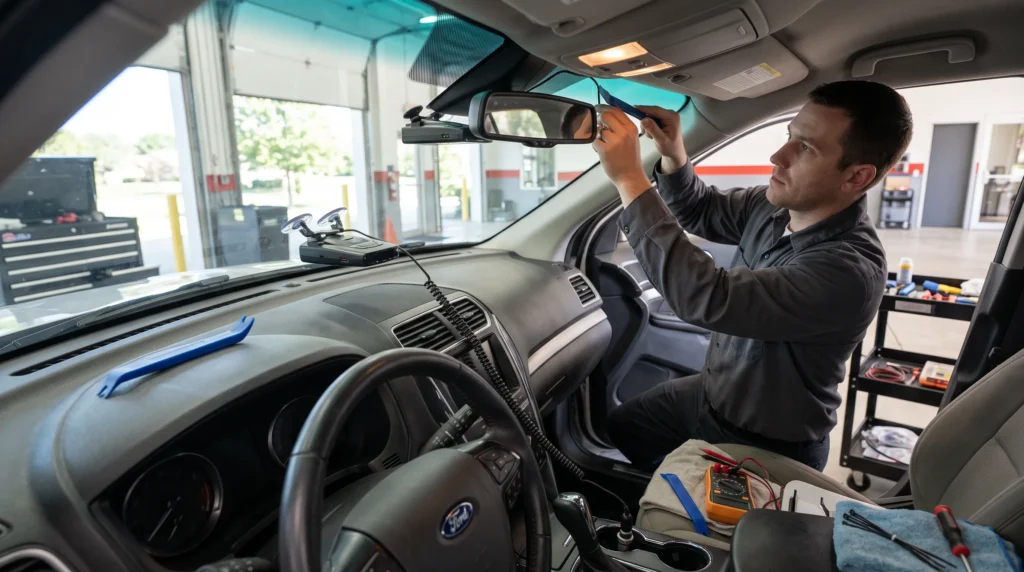
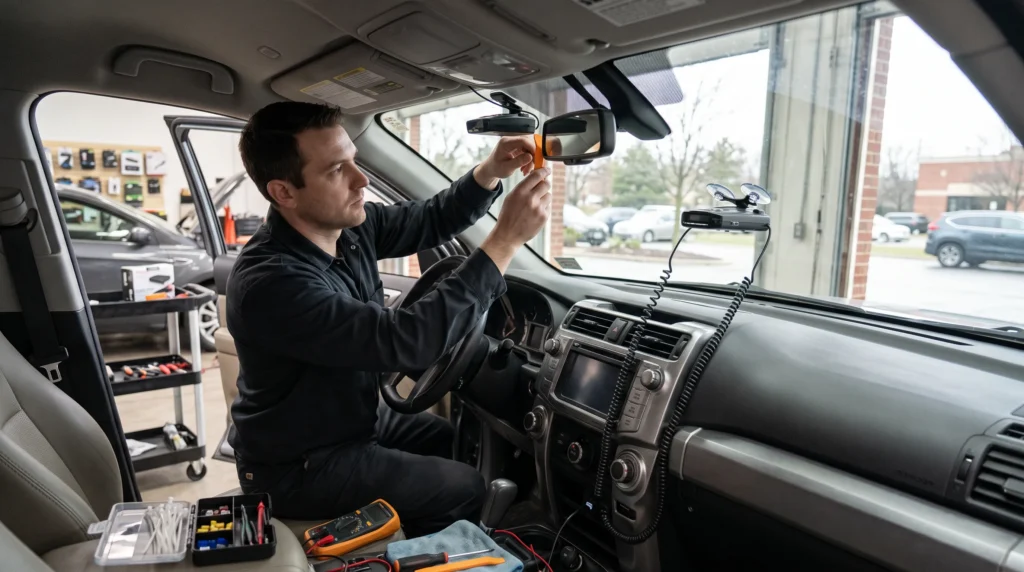
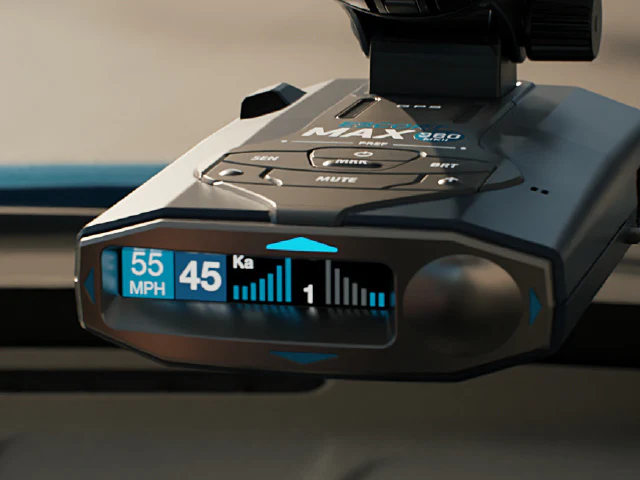
Radar detector installation in Naperville usually comes down to two choices for a portable detector: plug it into a vehicle power outlet or hardwire it with the power cable hidden behind the interior trim. Both setups can power a compatible Escort radar detector. The better choice depends on whether you want portability or a cleaner, more permanent installation.
A plug-in setup is simple and easy to move between vehicles. A hardwired setup removes the long cord running from the windshield to the center console, frees up the 12V outlet, and can make the detector look more like it belongs in the vehicle.
There is one point worth clearing up right away. Hardwiring by itself does not make a radar detector more sensitive. Detector model, mounting position, windshield construction, obstructions, settings, and the radar source all affect detection. Hardwiring mainly changes how the detector receives power and how neatly its wiring can be routed.
Escort currently offers plug-in and installed power choices for its portable detectors. Its support information lists 12V SmartCord options, USB-C power on compatible equipment, an OBD-II cable, Direct Wire kits, Direct Wire SmartCord, and a mirror power tap for compatible vehicles.
For radar detector installation in Naperville, Z Tech Window Tinting can help plan the detector location and wiring route before the trim comes apart. Call the Naperville, IL location at (630) 355-9555 or the Countryside, IL location at (708) 354-9555 to discuss your vehicle and Escort radar detector.
Hardwired vs Plug-In Radar Detectors: The Quick Answer
For many daily drivers, a hardwired installation is the cleaner choice.
For someone who regularly moves one detector between multiple vehicles, a plug-in setup is usually more convenient.
Here is a quick comparison:
Feature
Hardwired Setup
Plug-In Setup
Visible power cable
Mostly hidden
Usually visible
Uses 12V outlet
No with direct wiring
Usually yes
Easy to move between cars
Less convenient
Yes
Factory-style appearance
Better suited
Less suited
Installation work
More involved
Very little
Can use Escort Direct Wire SmartCord
Yes
No
Can use 12V SmartCord
No need
Yes
Good for a dedicated daily driver
Yes
Yes
Good for rental or multiple vehicles
Less suited
Yes
Professional installation recommended
Yes
Usually optional
Neither setup automatically changes the radar detector’s internal detection ability.
Radar Detector Installation In Naperville: Hardwired Vs Plug-In Setups Naperville, Il & Countryside, Il | 2Bvmzgdc9Kc6Sxewey6Nq Sscuepqh
The real differences are power routing, appearance, convenience, mounting plans, and how often you want to remove the detector.
How a Plug-In Radar Detector Setup Works
A traditional plug-in radar detector gets power from a vehicle’s 12V accessory outlet.
Escort calls this type of outlet a CLA port, short for Cigarette Lighter Adapter port.
According to Escort’s radar detector power guide, its SmartCord USB connects a portable detector to a 12V outlet through an RJ11 connection at the detector.
Escort lists a coiled SmartCord USB with:
A 12V accessory plug
A mute button
A power light
An alert light
USB power passthrough for phone charging
That setup is about as straightforward as radar detector power gets.
Mount the detector in a suitable location, connect the SmartCord, plug it into the vehicle, and set up the detector.
This makes plug-in power a common starting point for people who have just purchased a detector.
Benefits of a Plug-In Radar Detector
There are several reasons a plug-in setup still makes sense.
You Can Move the Detector Between Vehicles
Portability is the biggest advantage.
Someone with a weekday commuter car and a weekend vehicle may want to use the same detector in both.
A plug-in setup makes that much easier.
Remove the detector and mount, take the SmartCord with you, and move everything to the next compatible vehicle.
A permanently routed hardwire cable stays with the car.
No Interior Wiring Work Is Needed
You do not need to access a fuse panel or route the power cable behind multiple trim panels.
That can appeal to drivers who are leasing a vehicle or simply do not want a permanent power setup.
It Is Easy to Remove
A portable detector can be taken down when parking the vehicle.
That can be helpful if you frequently park outside, at commuter lots, hotels, airports, or other places where you do not want electronics left in view.
You Keep the SmartCord Controls Nearby
Depending on the Escort cable being used, the plug can include the mute button and alert indicator.
That places controls near the center console rather than on a separately mounted hardwire control module.
Downsides of a Plug-In Setup
The biggest complaint is usually the cable.
A detector may sit near the top or middle of the windshield while the 12V outlet sits much lower in the cabin.
That can leave a coiled power cable hanging down the dashboard.
For some owners, that is not a problem.
For someone driving a newer BMW, Audi, Mercedes-Benz, Porsche, Lexus, Tesla, Cadillac, pickup, or another vehicle with a clean dashboard design, the loose cord can look out of place.
The cable can also cross areas you regularly use.
Depending on the vehicle, it may run close to:
Climate controls
Touchscreens
Cup holders
Phone mounts
Console storage
Gear selectors
Charging cables
A plug-in radar detector also occupies an accessory power outlet that you might want for another device.
Some newer vehicles create another issue. Escort says certain late-model vehicles use accessory outlets with different plug depth or dimensions, which can affect SmartCord fit. Escort advises owners to check compatibility when this happens.
This is where radar detector installation in Naperville with hidden wiring can make everyday use much cleaner.
How Hardwired Radar Detector Installation Works
A hardwired radar detector still needs electrical power. The difference is where that power comes from and where the cable travels.
Instead of running a cord openly from the detector to the center console, a direct-wire cable can usually be routed near the windshield, behind suitable trim, and toward an approved vehicle power connection.
Escort says its installed Direct Wire choices typically call for professional installation.
A shop may select a suitable switched power source when the vehicle supports that approach. With switched power, the detector can turn on when the vehicle is being used and shut down when that circuit powers off.
The exact wiring path depends on the car.
That matters because modern vehicles can have:
Side-curtain airbags
Windshield cameras
Rain sensors
Driver-assistance sensors
Powered mirrors
Overhead electronics
Multiple fuse panels
Complex interior trim
Low-voltage data wiring
The goal is not merely to hide a cable.
The cable also needs to be routed without interfering with safety equipment or damaging trim.
Escort Direct Wire vs Direct Wire SmartCord
Escort currently lists two fuse-box direct-wire choices for its portable detectors.
Escort Direct Wire
Escort says its standard Direct Wire cable is 12 feet long.
It supplies detector power but does not include the extra SmartCord controls.
This type of setup can work well for someone who is comfortable controlling the detector from the unit itself.
Escort Direct Wire SmartCord
Escort’s Direct Wire SmartCord information lists a longer detector cable plus wiring from the SmartCord control module to the power connection.
The SmartCord module includes:
A mute button
Power indicator
Radar warning light
That means the detector can sit higher on the windshield while a control button is mounted somewhere easier to reach.
For a clean radar detector installation in Naperville, that can be a useful setup.
You get hidden power wiring without giving up an easily reached mute control.
What About a Mirror Power Tap?
A mirror power connection is another option on some vehicles.
Escort currently lists a Pigtail Mirror Power Tap for compatible portable detectors.
Its support page says the connection requires a powered mirror and the proper electrical supply. Escort tells owners to check the vehicle owner’s manual for power availability.
This is not a universal answer.
Some vehicles have suitable mirror power. Others do not.
Some rearview mirror assemblies also contain cameras, sensors, auto-dimming electronics, garage-door controls, driver monitoring hardware, or other equipment that makes the area more complicated.
Do not assume that wires near the mirror are suitable radar detector power wires.
If a mirror connection is being considered, have the vehicle checked first.
Does Hardwiring Improve Radar Detection?
Hardwiring does not give the detector a stronger radar receiver.
This misconception often comes from the fact that professionally hardwired detectors may also be mounted more carefully.
Placement can affect how the detector operates.
Escort says its detectors should have a clear view of the road ahead and behind. The company tells users to avoid placing the detector behind tinted areas at the top of the windshield, parking stickers, wiper blades, or other materials that can block the detector’s window or lens.
That means a clean hardwire can help support a better installation because the detector can be mounted where it belongs without choosing a position simply because the power cable needs to reach an outlet.
The power connection itself is not creating extra radar range.
Here’s what matters: radar detector installation in Naperville should plan the mount and the power route together.
Why Radar Detector Placement Matters
Portable radar detectors are usually designed to look through the windshield.
Escort recommends a clear view both forward and rearward.
A poor mounting location can create problems even when the detector is powered correctly.
Avoid choosing a location solely because it is easy to reach.
Watch the Windshield Tint Area
Many vehicles have a shaded or treated strip near the top of the windshield.
Escort warns that mounting behind some tinting can reduce laser detection range.
Certain windshields also use metallic coatings that can interfere with radar and GPS signals.
If your vehicle has specialized glass, ask about detector placement before attaching the mount.
Watch Factory Sensors
Newer vehicles can have a large camera and sensor housing near the rearview mirror.
Do not place the detector where the factory housing physically blocks its view.
Keep the Detector Out of Your Driving View
A detector should not sit where it gets in the way of seeing the road.
This is both a practical issue and an Illinois legal issue.
Illinois Windshield Rules and Radar Detector Mounting
Illinois law says motorists cannot drive with an object placed or suspended between the driver and front windshield when it materially obstructs the driver’s view.
Escort gives similar mounting advice. Its FAQ tells owners to place the detector where it will not obstruct their road view.
This does not mean every windshield-mounted detector violates Illinois law.
It means location matters.
A professional radar detector installation in Naperville should take driver sightlines into account rather than placing a detector in the middle of a useful viewing area.
The driver still has responsibility for making sure the final setup does not materially block the view.
Who Should Choose a Hardwired Setup?
A hardwired radar detector is often a good fit if the vehicle is your regular daily driver.
You may prefer hardwiring if:
You plan to leave the detector in one vehicle
You dislike visible cables
You want to keep the 12V outlet free
You want the detector mounted higher
You want a factory-style interior appearance
You use the detector during most trips
You have a luxury or performance vehicle
You want a remotely placed mute control
You do not want to plug and unplug the detector every day
Daily commuters around Naperville, IL may spend a lot of time traveling I-88, I-355, Route 59, Ogden Avenue, and other west-suburban roads.
If you use the detector almost every time you get in the vehicle, hardwiring removes one more step from the routine.
Start the car, and a properly planned switched-power setup can power the detector without reaching for a cable.
Who Should Choose a Plug-In Setup?
Plug-in power still makes more sense for some owners.
Choose plug-in power if:
You regularly switch vehicles
You use rental cars
You only use the detector occasionally
You plan to sell the vehicle soon
You do not want permanent wiring
You want quick removal
You are testing a detector before committing to a permanent mount
A plug-in setup can also be a good way to determine whether you like the detector’s location.
Use it for a while.
If you find yourself leaving the detector in the same vehicle every day, you can later ask about professional hardwiring.
Radar Detector Installation for Luxury and Newer Vehicles
Modern vehicle interiors can make DIY wiring harder than it first appears.
A cable that looks easy to tuck behind an A-pillar trim panel may be crossing an airbag path.
A powered rearview mirror may share a housing with driver-assistance equipment.
A fuse panel may use circuits controlled by vehicle computers rather than a simple old-style accessory circuit.
This does not mean a newer car cannot have a clean detector installation.
It means the wiring plan should match the vehicle.
A shop can also look at other interior work you may be considering.
If you plan to have window tint installed, tell the installer you use a radar detector. Escort recommends avoiding mounting locations where windshield treatments may interfere with the detector’s view.
Planning both services at the same time can prevent placement problems later.
Professional vs DIY Radar Detector Hardwiring
A plug-in setup is usually easy for an owner to handle.
Hardwiring calls for more care.
The work can involve:
Identifying a suitable power source
Checking circuit behavior
Selecting a safe ground
Routing cable behind trim
Keeping wiring away from airbags
Avoiding pinched wires
Mounting a SmartCord control
Positioning the detector correctly
Checking power-on and power-off behavior
A poor wiring job can lead to a detector that stays powered when you expected it to shut off, loses power unexpectedly, restarts, or leaves visible wiring around the dashboard.
Escort also warns that portable detectors need the proper electrical supply. Its current support material says inadequate power can cause a detector to shut down or reboot.
That makes the electrical side of radar detector installation in Naperville just as relevant as hiding the cord.
What Happens During a Professional Radar Detector Installation?
The process starts with the vehicle and the detector.
An installer needs to know which Escort model you have because power connections and mounting options can differ.
The vehicle matters too.
A good plan looks at:
Detector model
Windshield construction
Rearview mirror equipment
Driver sightline
Factory camera location
Available power sources
Cable route
Airbag locations
Control-button placement
How easily you want to remove the detector
The installer can then discuss whether direct wiring, Direct Wire SmartCord, mirror power, or another compatible setup fits the vehicle.
What this means is that “hardwired” is not one exact installation.
A Tesla can call for a different plan than a Ford F-150.
A Porsche may differ from a Toyota.
A newer BMW may differ from an older BMW.
The vehicle decides where the installer can safely and neatly route the equipment.
Z Tech also installs automotive electronics from its Countryside, IL shop.
9825 W 55th St #D Countryside, IL 60525
Phone: (708) 354-9555
The Countryside, IL location has more than 365 5-star reviews.
Nearby service areas include La Grange, IL, Hinsdale, IL, Burr Ridge, IL, Willowbrook, IL, Westmont, IL, Darien, IL, Downers Grove, IL, and Oak Brook, IL.
Both locations are open Monday through Saturday from 8:30 AM to 5 PM.
Which Radar Detector Installation Should You Choose?
If you leave your Escort detector in the same vehicle every day, hardwiring is usually worth discussing.
You get hidden wiring, keep your accessory outlet open, and can position the detector without having a long cable hanging through the cabin.
If you move one detector between several vehicles, plug-in power is usually easier.
The detector itself can work with either compatible power method. The choice is more about how you use your car.
For radar detector installation in Naperville, Z Tech can look at the vehicle, detector model, windshield area, and wiring options before recommending a setup.
Call (630) 355-9555 for Naperville, IL.
Call (708) 354-9555 for Countryside, IL.
Radar Detector Installation In Naperville: Hardwired Vs Plug-In Setups Naperville, Il & Countryside, Il | W Zz30Gmbt0Heqsvxvrsc Vcrlmonx
Hardwiring is often better for a detector that stays in one vehicle because most of the power cable can be hidden and the 12V accessory outlet remains free. Plug-in power is better when you regularly move the detector between vehicles. The right radar detector installation in Naperville depends on how you use the detector.
2. Does hardwiring a radar detector improve its range?
Not by itself. Hardwiring changes the power connection. Detector model, windshield construction, mounting location, obstructions, settings, and the radar source affect detection. A hardwired installation can make it easier to keep the detector in a suitable mounting position without a long visible power cord.
3. Can an Escort radar detector be hardwired?
Yes. Escort currently lists a standard Direct Wire cable and Direct Wire SmartCord for compatible portable detectors. Escort also lists a mirror power tap for vehicles with compatible powered mirrors. Check your detector and vehicle before choosing a connection.
4. What is the difference between Escort Direct Wire and Direct Wire SmartCord?
The standard Direct Wire cable supplies power to the detector. The Direct Wire SmartCord adds a separate control module with a mute button, power indicator, and radar alert light. This can be useful when the detector is mounted higher on the windshield.
5. Can I power my radar detector from the rearview mirror?
Some vehicles can support a mirror power connection. Escort says its mirror tap requires a powered mirror and compatible electrical supply. Not every vehicle or mirror is suitable, so the wiring should be checked before installation.
6. Where should a radar detector be mounted in Illinois?
Escort recommends a location with a clear view of the road ahead and behind, away from windshield tint, parking stickers, wiper blades, and other obstructions. Illinois law also prohibits objects between the driver and front windshield that materially obstruct the driver’s view.
7. Where can I get radar detector installation in Naperville?
Z Tech Window Tinting provides Escort radar detector installation at 1572 W Ogden Ave, Naperville, IL 60540. Call (630) 355-9555. Z Tech also has a Countryside, IL location at 9825 W 55th St #D, reachable at (708) 354-9555. You can also request an appointment online.
Sources
Powering Your Radar Detector Publisher: Escort Radar Publication Date: Modified July 8, year not listed URL: https://support.escortradar.com/support/solutions/articles/47001251970-powering-your-radar-detector
Do You Offer a Direct Wiring Option? Publisher: Escort Radar Publication Date: Modified August 6, 2025 URL: https://support.escortradar.com/support/solutions/articles/47001193952-do-you-offer-a-direct-wiring-option-
Escort Radar Detector Installation in Naperville, IL Publisher: Z Tech Window Tinting Publication Date: Not listed URL: https://ztechnaperville.com/services/escort-radar-detectors-in-naperville-il/ “` :chatgpt-content-reference{index=”0″}
ready to get started?
Contact Us For Quotes And Scheduling
Contact us Naperville, IL and Countryside, IL to get a clear plan for your vehicle. Tell us what you drive and what you want to accomplish, and we will match services to your goals. You can ask about window tint, paint protection film, ceramic coating, vinyl wrap, detailing, electronics, or accessories. We set expectations for timing, drop off, and aftercare so your day runs smoothly. Estimates are straightforward and organized by service so you can compare choices. When you prefer to move fast, we can start your booking right away.