Window Tinting in Westmont & Lisle, IL: Ceramic vs Standard Film
Google Reviews
What our Customers say
Heading 1
Heading 2
Heading 3
Heading 4
Heading 5
Heading 6
Lorem ipsum dolor sit amet, consectetur adipiscing elit, sed do eiusmod tempor incididunt ut labore et dolore magna aliqua. Ut enim ad minim veniam, quis nostrud exercitation ullamco laboris nisi ut aliquip ex ea commodo consequat. Duis aute irure dolor in reprehenderit in voluptate velit esse cillum dolore eu fugiat nulla pariatur.
Window Tinting in Westmont & Lisle, IL gives drivers more choices than simply deciding how dark they want their windows. Film technology can change heat rejection, UV protection, glare, appearance, signal compatibility, and how comfortable the cabin feels when the sun is hitting the glass.
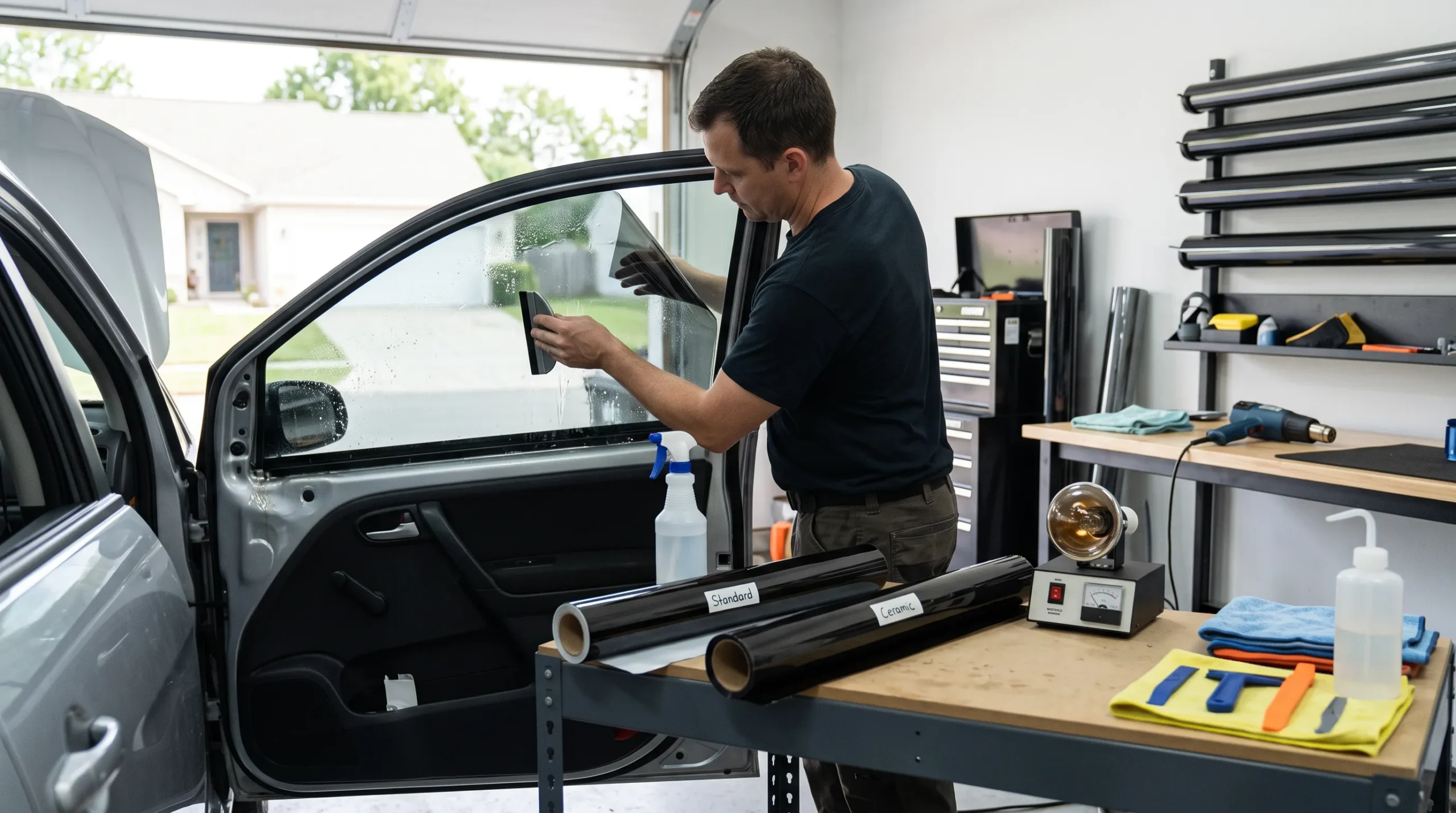
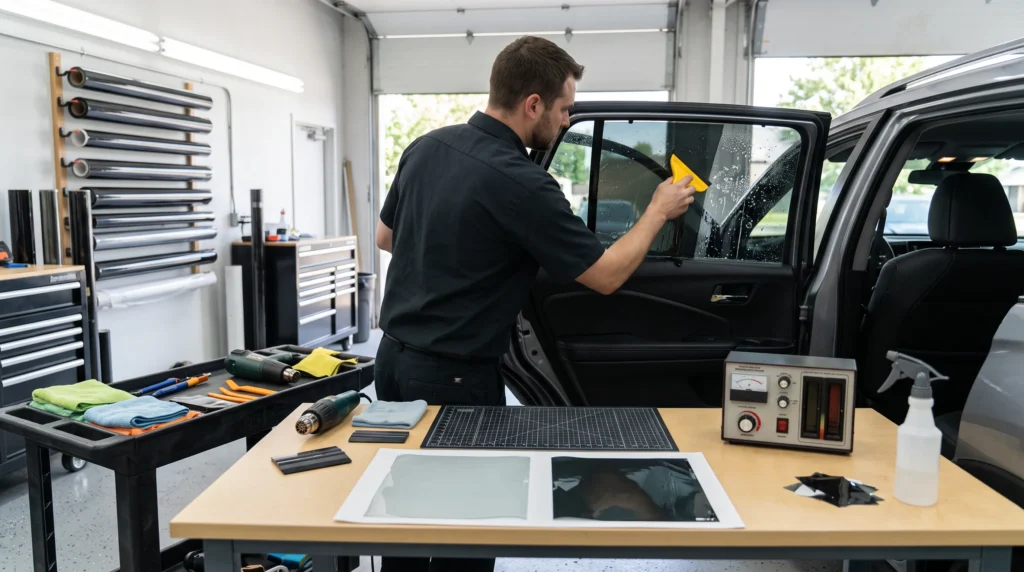
For many drivers, the big comparison is ceramic window tint vs standard window film.
Ceramic film uses advanced particles designed to control solar heat without relying on metal. More traditional automotive films may use dyed layers, metalized layers, or a combination of the two. Both can darken glass and reduce glare, but their solar performance and construction can be quite different.
Z Tech Window Tinting installs 3M Automotive Window Film and is 3M certified and a 3M vendor. Current 3M choices include Ceramic IR Series, Crystalline Series, Color Stable Series, FX-HP Series, and Scotchshield Automotive Window Films Security Series.
For Window Tinting in Westmont & Lisle, IL, call Z Tech’s Naperville, IL location at (630) 355-9555 or Countryside, IL location at (708) 354-9555. You can also use the Z Tech contact form to request an appointment.
For drivers comparing Window Tinting in Westmont & Lisle, IL, ceramic film is usually worth a closer look when heat rejection and metal-free construction are high on the wish list.
A standard or more traditional film may still work well when the main goals are:
Darker appearance
Glare reduction
UV protection
Added privacy
A more traditional film construction
The term “standard tint” is broad. It is not the name of one 3M film.
Traditional automotive tint can include dyed film, metalized film, or a hybrid that combines those technologies.
3M FX-HP is one example of a hybrid design. 3M says FX-HP combines dyed and metalized film.
3M Ceramic IR takes a different route. It uses absorptive nano-ceramic technology and contains no metal.
Window Tinting In Westmont & Lisle, Il: Ceramic Vs Standard Film Naperville, Il & Countryside, Il | Tndiqm2Ibcsged77Lq6Vj 7Yzfh9Hm
That construction helps explain why Ceramic IR can provide strong infrared rejection without depending on a metalized layer.
What Is Ceramic Window Tint?
Ceramic window tint uses tiny ceramic particles within the film.
The film can reduce solar heat while still allowing the installer to offer multiple visible-light levels.
3M’s current Ceramic IR Series uses absorptive nano-ceramic technology.
3M currently lists Ceramic IR with:
Up to 66% total solar energy rejection
Up to 95% infrared rejection
Up to 99.9% UV rejection
Metal-free construction
Several tint levels
A neutral appearance
Those numbers are one reason ceramic film gets attention from drivers who spend a lot of time in the car during sunny weather.
Ceramic technology also means you do not need a metalized film to get strong heat control.
For Window Tinting in Westmont & Lisle, IL, that can be appealing in newer vehicles filled with GPS, mobile devices, satellite radio, connected infotainment, and other wireless equipment.
What Is Standard Window Tint?
“Standard window tint” can mean different things depending on the shop.
A traditional automotive film may rely more heavily on:
Dyed layers
Metalized layers
A combination of dye and metal
Dyed film can create the dark appearance many people associate with automotive tint.
Metalized film can add solar performance but introduces metal into the film construction.
Hybrid films combine technologies.
3M FX-HP Series is one example. 3M says FX-HP combines dyed and metalized film and can reject up to 55% of total solar energy while blocking up to 99% of UV rays.
That does not make traditional film a poor choice.
It means you should compare more than color.
Ask what the film is made from, how much solar energy it rejects, whether it contains metal, and which warranty applies.
3M Ceramic IR vs Traditional Film
Here is an easy way to compare ceramic and a more traditional hybrid film.
Feature
3M Ceramic IR
Traditional Dyed/Metalized Hybrid
Film construction
Nano-ceramic
Dye, metal, or both
Metal-free
Yes
Not always
Infrared rejection
Strong
Depends on film
Total solar energy rejection
Up to 66% for Ceramic IR
Up to 55% for 3M FX-HP
UV rejection
Up to 99.9%
Up to 99% for 3M FX-HP
GPS/mobile signal concerns from metal
No metal in Ceramic IR
Possible with metalized films
Multiple shades
Yes
Yes
Glare reduction
Yes
Yes
Dark appearance available
Yes
Yes
The numbers above are manufacturer performance figures and can change by film shade and glass combination.
Do not choose Window Tinting in Westmont & Lisle, IL from one maximum number alone.
The shade you select and the glass already installed in the vehicle also affect the finished result.
Which Window Tint Blocks More Heat?
Ceramic film is often chosen because of its heat performance.
3M currently lists Ceramic IR at up to 66% total solar energy rejection and up to 95% infrared rejection.
3M FX-HP, a dyed and metalized hybrid, is listed at up to 55% total solar energy rejection.
Total solar energy rejection is useful because sunlight contains more than the infrared wavelengths people often talk about when discussing heat.
3M defines TSER as the percentage of total solar energy rejected by filmed glass.
A higher number means less solar energy passes through the filmed glass.
If heat is one of your main reasons for scheduling Window Tinting in Westmont & Lisle, IL, ask about the TSER of the exact film and shade you are considering.
Do not compare films only by the large infrared number printed on a brochure.
Does Darker Tint Mean Better Heat Rejection?
No.
This is one of the biggest reasons to compare film technology before choosing a shade.
A dark film blocks more visible light.
That does not automatically mean it rejects more solar heat than a lighter ceramic or multilayer optical film.
A lighter ceramic film can offer strong heat performance while keeping the cabin brighter.
That can be useful for drivers who want solar control without making every window look very dark.
It can also be useful when Illinois tint rules limit how dark a certain window can legally be.
For Window Tinting in Westmont & Lisle, IL, tell Z Tech whether your first goal is appearance, heat reduction, privacy, glare reduction, or some combination of those.
The film choice can then be narrowed down before choosing a shade.
Ceramic Tint and UV Protection
UV rejection is another reason people choose automotive window film.
3M currently states that Ceramic IR rejects up to 99.9% of ultraviolet light.
UV exposure can affect vehicle interiors over time.
Seats, dashboards, trim, leather, and other interior materials sit next to glass day after day.
A high UV-rejection film adds another layer between those interior surfaces and incoming UV light.
You also do not have to choose the darkest film to get high UV rejection.
That is useful for someone who wants a lighter cabin appearance.
Ceramic Tint and Electronic Signals
Metal is one of the biggest technical differences between ceramic tint and some traditional films.
3M says Ceramic IR is metal-free and will not interfere with electronics, GPS, satellite radio, mobile devices, or 5G because of a metalized film layer.
That can matter more now than it did years ago.
Modern vehicles may use:
GPS navigation
Satellite radio
Cellular connections
Connected infotainment
Mobile phones
Wireless data services
For Window Tinting in Westmont & Lisle, IL, a metal-free film can be an easy choice for someone who does not want a metalized tint layer around those systems.
How 3M Color Stable Fits Into the Comparison
3M Color Stable deserves its own explanation because calling it “standard dyed tint” would no longer describe the current product accurately.
Current 3M Color Stable Series information says the film combines patented dye technology with IR-rejecting ceramic nano-technology.
3M currently lists:
Up to 64% total solar energy rejection
Ceramic nano-particles
Patented dye technology
A charcoal appearance
Metal-free construction
Multiple VLT choices
No metal-related interference with GPS, satellite radio, mobile devices, or 5G
Limited lifetime warranty, subject to 3M terms
That places Color Stable between a simple old-style dyed-film comparison and the more heat-focused Ceramic IR discussion.
A driver who wants a charcoal tint appearance and metal-free construction may want to compare Color Stable and Ceramic IR side by side.
Ceramic IR or Color Stable?
Ceramic IR puts more emphasis on infrared heat rejection.
Color Stable gives drivers a traditional charcoal appearance while using current ceramic nano-technology and dye construction.
Ask to see actual film samples.
The appearance can matter just as much as the technical numbers when you look at the vehicle every day.
What About 3M FX-HP?
3M FX-HP is closer to what many people picture when they hear “standard” or traditional hybrid window film.
3M says FX-HP combines:
Dyed film
Metalized film
UV rejection
Solar heat rejection
A charcoal appearance
3M currently lists up to 55% total solar energy rejection and up to 99% UV blocking for FX-HP.
Because the film uses a metalized layer, its construction differs from Ceramic IR and current Color Stable.
For some drivers, FX-HP can provide the appearance and solar control they want.
For others, metal-free Ceramic IR or Color Stable may fit the vehicle better.
This is why Window Tinting in Westmont & Lisle, IL should start with a film comparison rather than assuming every tint with the same darkness performs the same way.
When 3M Crystalline May Make More Sense
Ceramic IR is not the only premium 3M choice.
3M Crystalline Series uses a proprietary multilayer optical construction rather than ceramic or metal.
The film uses more than 200 optical layers while remaining extremely thin.
Crystalline is worth discussing if you want strong solar control with a lighter appearance.
That can fit a driver who says:
“I want less heat, but I don’t want my car to look heavily tinted.”
Crystalline also uses nonmetalized construction, so it does not create the electronic signal concerns associated with metalized film.
If your first thought was ceramic tint because you want heat rejection, ask Z Tech to compare Ceramic IR and Crystalline before you make the final choice.
Ceramic vs Standard Tint for Illinois Driving
Illinois gives window film plenty to deal with throughout the year.
Summer sun can heat a parked car quickly.
Long commutes can leave sunlight hitting one side of the driver or passenger for extended periods.
Winter creates another problem. Low-angle sun can produce glare when you are driving in the morning or late afternoon.
Window film can help with:
Solar heat
Glare
UV exposure
Privacy
Appearance
A driver commuting from Westmont, IL may have different priorities from someone using a vehicle mainly for short trips around Lisle, IL.
Think about how the vehicle is used.
If you spend a lot of time driving during daylight, ceramic heat rejection may have more appeal.
If appearance and glare reduction are the main goals, another 3M film may give you what you want.
Which Film Should You Choose?
For Window Tinting in Westmont & Lisle, IL, there is no one film that every driver needs.
Choose 3M Ceramic IR If:
You care about:
Strong infrared rejection
Strong total solar energy rejection
Metal-free construction
UV rejection
Multiple shade choices
Modern vehicle electronics
Compare 3M Color Stable If:
You want:
A charcoal appearance
Metal-free construction
Ceramic nano-technology
Good solar performance
Multiple shade choices
Compare 3M FX-HP If:
You want:
A more traditional dyed/metalized hybrid
A charcoal tint appearance
UV protection
Solar heat reduction
Ask About 3M Crystalline If:
You want:
Strong solar performance
A lighter appearance
Multilayer optical film
Nonmetalized construction
Bottom line, choose the technology first and then work toward the shade that fits your vehicle and Illinois law.
Illinois Window Tint Rules Still Apply
Ceramic technology does not change the legal VLT rules.
A ceramic film and a traditional film with the same finished visible-light transmittance are still judged by the same Illinois tint requirements.
Illinois window tint rules are found in 625 ILCS 5/12-503.
The law addresses tint on the windows immediately next to the driver, the relationship between front and rear window treatments, factory-tinted rear glass, and the windshield.
Illinois also generally limits normal windshield tint to a nonreflective strip along the uppermost portion of the windshield that does not extend more than six inches down from the top.
When scheduling Window Tinting in Westmont & Lisle, IL, have the existing glass checked before deciding on film.
Factory glass already affects how much visible light passes through the completed window.
A film name such as “35” or “50” should not be treated as a guarantee of the final meter reading after installation.
Why Professional Window Tint Installation Matters
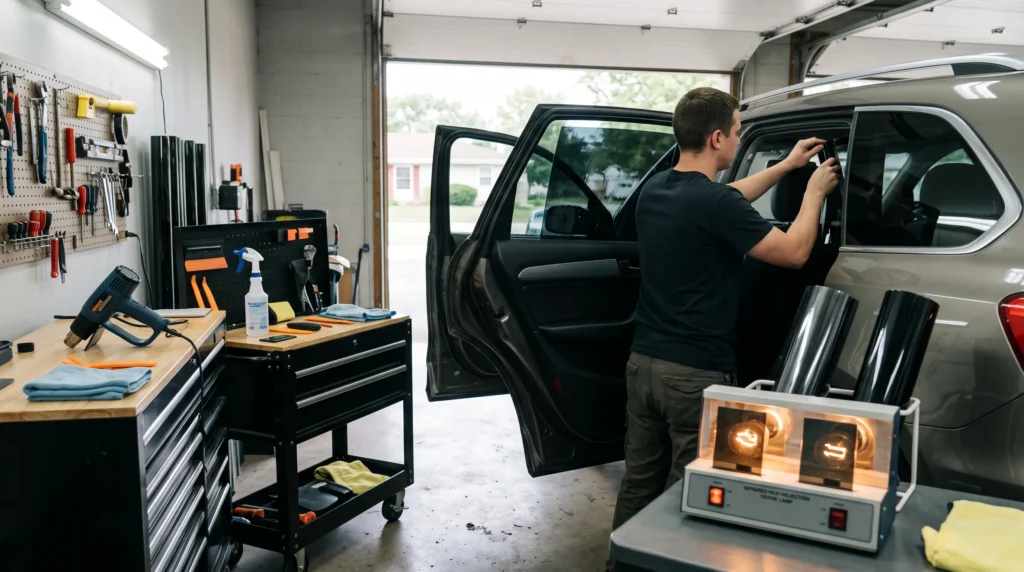
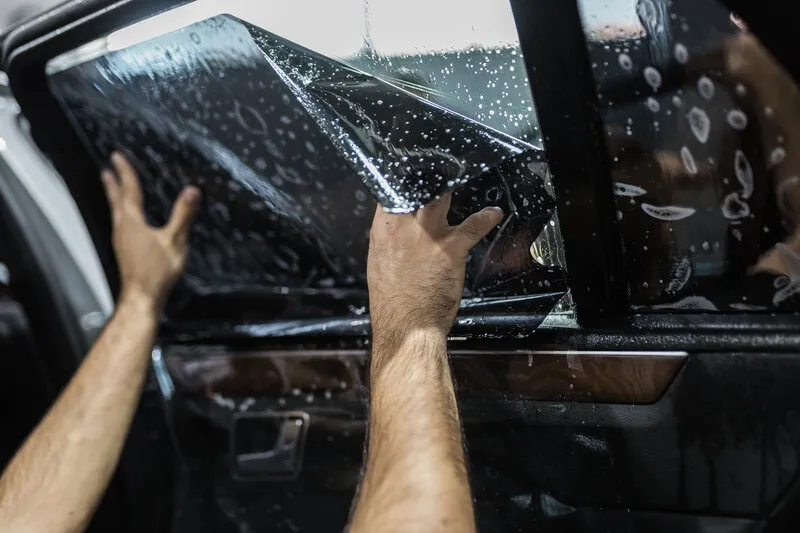
Automotive film has to fit glass that moves, curves, and sits next to interior trim.
Rear windows may also contain defroster lines.
Door windows travel through seals every time you raise or lower them.
A professional installer has to work around:
Curved glass
Window seals
Door trim
Rear defrosters
Existing tint
Factory privacy glass
Window sensors
Film edges
Film warranty terms can also depend on professional installation.
Z Tech is 3M certified and a 3M vendor and carries warranties on its products and services.
Window Tinting in Westmont, IL
Drivers looking for car window tint in Westmont, IL can contact Z Tech to compare 3M Ceramic IR with the other available film choices.
Westmont, IL drivers may find the Countryside, IL shop convenient:
9825 W 55th St #D Countryside, IL 60525
Phone: (708) 354-9555
The Countryside, IL location has more than 365 5-star reviews.
1. Is ceramic tint better than standard window tint?
Ceramic tint can provide stronger heat rejection while using metal-free construction. 3M Ceramic IR currently lists up to 66% total solar energy rejection and up to 95% infrared rejection. A more traditional hybrid such as 3M FX-HP uses dyed and metalized film and currently lists up to 55% total solar energy rejection. The better choice depends on what you want from the film.
2. Is ceramic window tint worth it for Illinois drivers?
It can make sense for drivers who spend a lot of time in the vehicle during sunny weather and care about solar heat, UV rejection, glare, and metal-free construction. For Window Tinting in Westmont & Lisle, IL, ask to compare Ceramic IR with the other available 3M films rather than choosing from shade alone.
3. Does ceramic tint need to be dark to block heat?
No. Visible darkness and solar heat rejection are different measurements. Ceramic technology can provide strong heat rejection in lighter shades, so you do not have to choose the darkest available film just to improve solar performance.
4. Will ceramic tint interfere with GPS or cell phones?
3M says Ceramic IR is metal-free and does not interfere with GPS, satellite radio, mobile devices, or 5G because of a metalized film layer. Current 3M Color Stable is also nonmetalized.
5. What is the difference between 3M Ceramic IR and Color Stable?
Ceramic IR is built around absorptive nano-ceramic technology and strong infrared rejection. Current Color Stable combines ceramic nano-particles with patented dye technology and has a charcoal appearance. Both are metal-free. Ask Z Tech to compare samples and performance for the shade you want.
6. Does ceramic tint make Illinois tint laws different?
No. Illinois law is based on the window treatment and visible-light transmittance, not whether the film is ceramic. The finished glass and film combination still needs to fit Illinois requirements.
7. Where can I get Window Tinting in Westmont & Lisle, IL?
Z Tech Window Tinting installs 3M Automotive Window Film for Westmont, IL and Lisle, IL drivers. Call the Countryside, IL shop at (708) 354-9555 or the Naperville, IL shop at (630) 355-9555. You can also use the Z Tech contact form to request an appointment.
3M Automotive Window Films Publisher: 3M Publication Date: Not listed URL: https://www.3m.com/3M/en_US/p/c/films-sheeting/window/i/automotive/
Illinois Vehicle Code, 625 ILCS 5/12-503 Publisher: Illinois General Assembly Publication Date: Current statute reviewed October 2026 URL: https://www.ilga.gov/Legislation/ILCS/Fulltext?DocName=062500050K12-503
Car Window Tint in Westmont, IL Publisher: Z Tech Window Tinting Publication Date: Not listed URL: https://ztechnaperville.com/car-window-tint-westmont-il/
Car Window Tint in Lisle, IL Publisher: Z Tech Window Tinting Publication Date: Not listed URL: https://ztechnaperville.com/car-window-tint-lisle-il/
Window Tint Publisher: Z Tech Window Tinting Publication Date: Not listed URL: https://ztechnaperville.com/our-services/window-tint/ “` :chatgpt-content-reference{index=”0″}
ready to get started?
Contact Us For Quotes And Scheduling
Contact us Naperville, IL and Countryside, IL to get a clear plan for your vehicle. Tell us what you drive and what you want to accomplish, and we will match services to your goals. You can ask about window tint, paint protection film, ceramic coating, vinyl wrap, detailing, electronics, or accessories. We set expectations for timing, drop off, and aftercare so your day runs smoothly. Estimates are straightforward and organized by service so you can compare choices. When you prefer to move fast, we can start your booking right away.